-
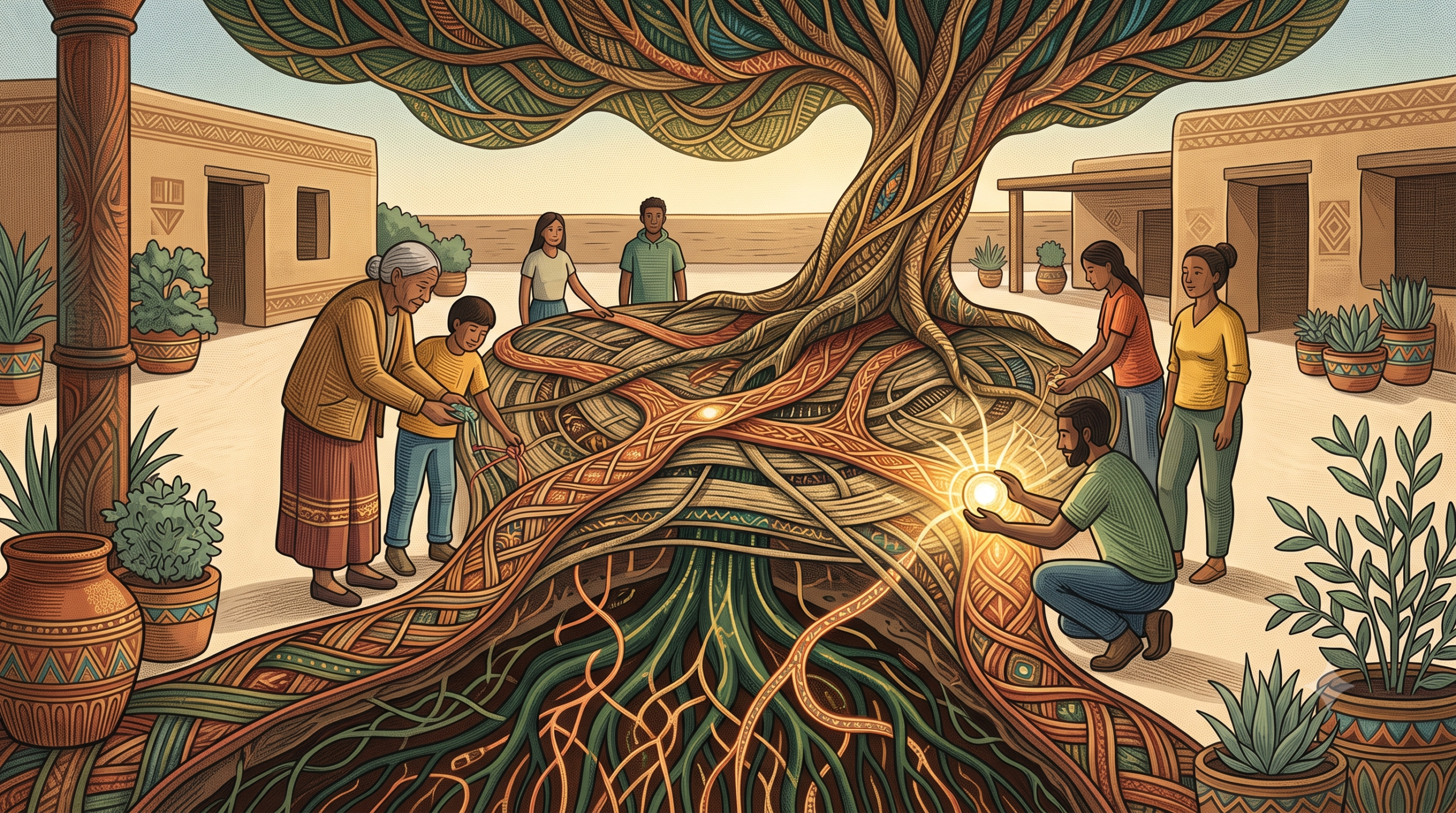
How to Scale Your Momentum Without Selling Out?
Scale your nonprofit or movement without sacrificing your mission. Explore governance, leadership, and operations that always keep communities first.
-
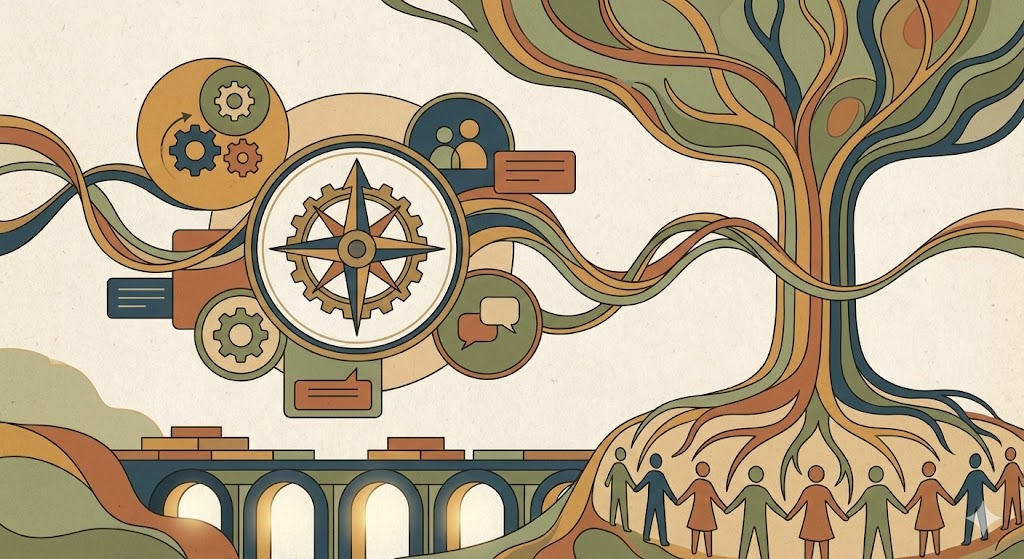
Designing Effective Systems for Nonprofit Growth and Stability
Enhancing Impact Through Strategic Innovation Strong systems don’t have to look like bureaucracy, hierarchy, or rigid rules. For community-rooted organizations, systems are simply shared agreements—ways of working that protect our time, honor our values, and deepen our collective impact. When we build systems thoughtfully, we create the conditions for people to thrive, not just “perform.”…
-

Strategies for Organizational Growth and Long-Term Success
More often than not, mission-driven organizations and community-centered nonprofits grow out of urgency: people are hurting, systems are failing, and communities are organizing to change conditions. And while momentum is powerful, sustaining it requires more than passion; It requires structures that protect people, deepen leadership, and allow the work to continue long after any one…
-
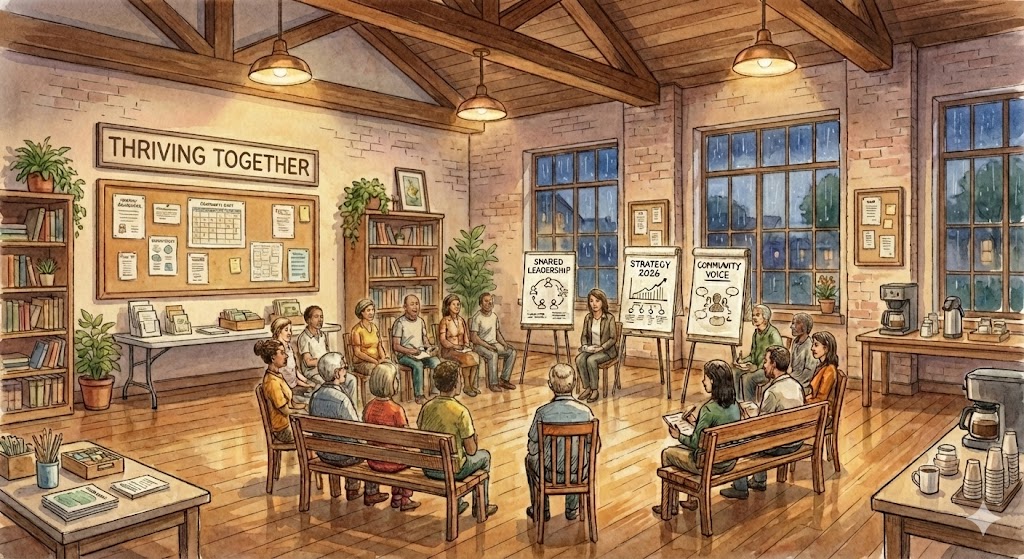
Partnering for Growth: Nonprofits as Movement Allies
For nonprofits that want to be true partners in social movements—not gatekeepers or institutions replicating top-down approaches—allyship starts with accountability to the people most impacted. Real partnership means shifting from “serving communities” to organizing with them, following their leadership, and aligning resources to build collective power. Nonprofits as movement allies is a mindset, and requires…
-
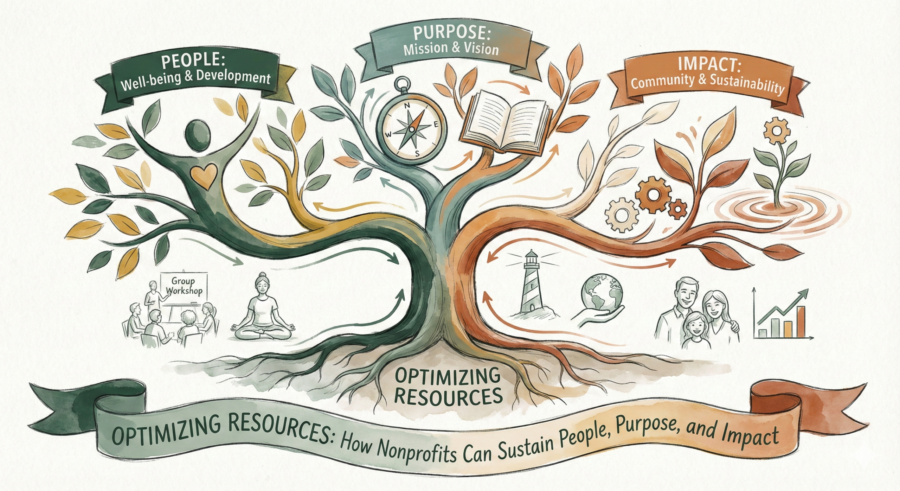
Optimizing Resources: How Nonprofits Can Sustain People, Purpose, and Impact
Nonprofit culture often pushes urgency, exhaustion, and constant output. But movements aren’t sustained by “doing more”—they’re sustained by caring for people, protecting energy, and building systems that make organizing livable. Preserving resources is political. When our people burn out, systems collapse, campaigns stall, and movement knowledge disappears. Preserving resources is not scarcity—it’s strategy for longevity and…
-
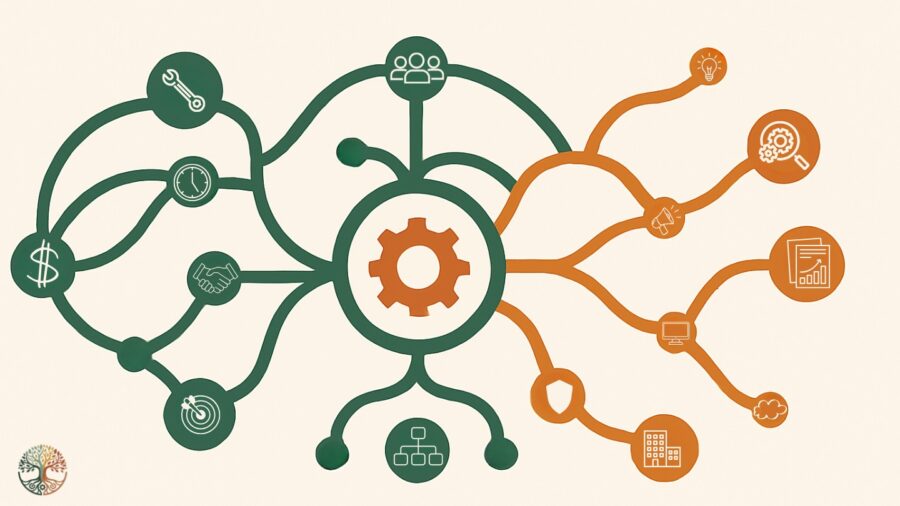
How to Diagnose Operational Gaps in Small Nonprofits
Social change organizations and small nonprofits often exist in a state of resistance—pushing back against systemic oppression while trying to build new worlds. However, when we focus entirely on the external fight, we often neglect the internal soil. “Operational gaps” in the corporate world usually mean a loss of profit. In our work, these gaps…
-
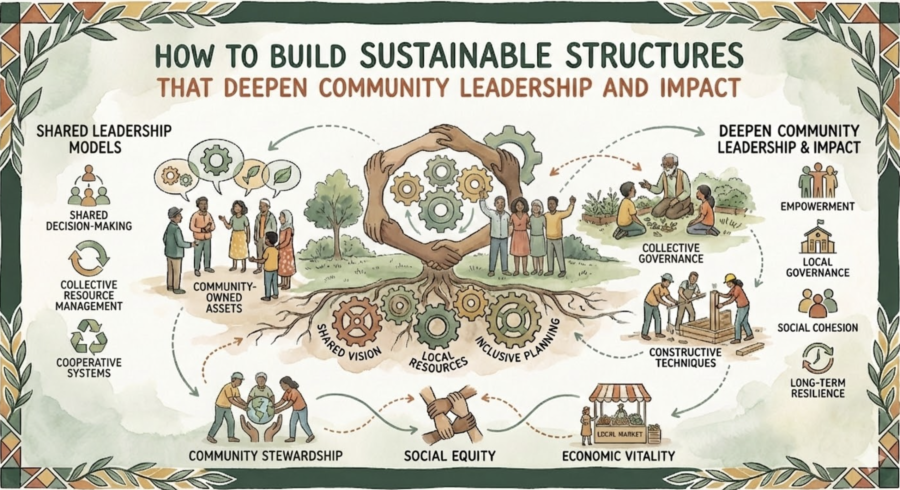
How to Build Sustainable Structures That Deepen Community Leadership
The key to rooted social change is our ability to organize for sustained periods of time. For nonprofits and grassroots initiatives committed to community power, sustainability is not just about financial longevity—it’s about building structures that hold community leadership, preserve institutional memory, and make organizing possible over the long haul. “Where there is patience, there…