
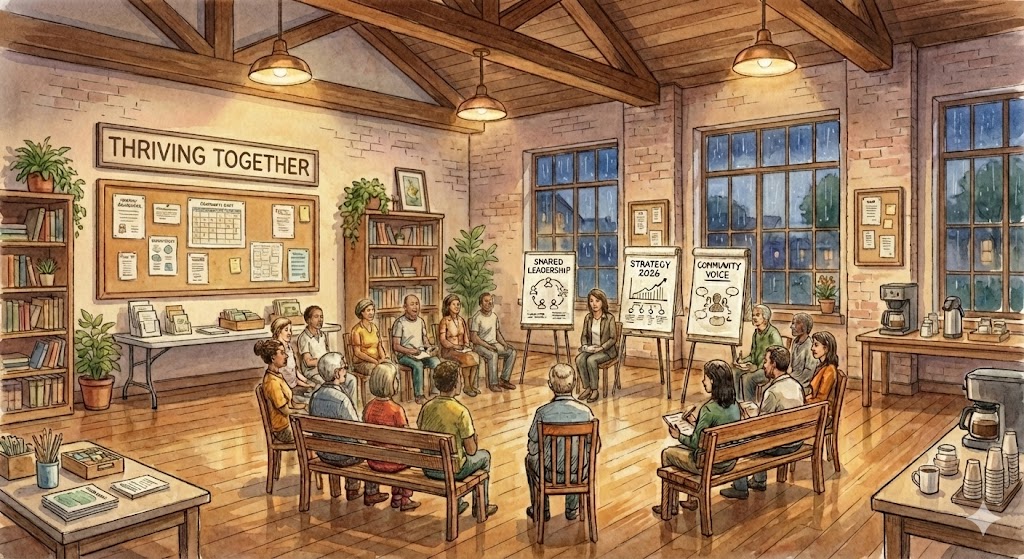
For nonprofits that want to be true partners in social movements—not gatekeepers or institutions replicating top-down approaches—allyship starts with accountability to the people most impacted. Real partnership means shifting from “serving communities” to organizing with them, following their leadership, and aligning resources to build collective power. Nonprofits as movement allies is a mindset, and requires a shift within the organizational culture—from governance to programs to operations.
When communities lead and nonprofits stand in solidarity, we move from isolated programs to shared struggle, shared strategy, and shared wins.
Grassroots movements aren’t asking nonprofits to speak for them—they’re asking organizations to listen, redistribute resources, and support community-centered agendas. When nonprofits commit to power-building rather than visibility or institutional credit, relationships deepen into long-term movement infrastructure rooted in trust, shared risk, and collective liberation.
Building Genuine Partnerships Rooted in Power, Accountability, and Community Leadership
Partnership in movement spaces isn’t transactional—it’s relational, political, and often uncomfortable. Nonprofits that want to be true allies must understand their role, step back when needed, and actively support the leadership emerging directly from impacted communities
Understanding the Role of Organizations Inside Movement Ecosystem
Nonprofits aren’t movement leaders by default. Movements are shaped by directly-impacted people and grassroots formations. Organizations, when grounded in accountability, can play supporting roles by providing infrastructure: meeting space, administrative systems, fundraising capacity, legal support, and staff time.
But power belongs to the base—not boards, not funders, not staff with titles. When nonprofits use their access to remove barriers rather than set agendas, they help build movement-wide power. This means sharing decision-making tables, not controlling them.
Listening, Not Prescribing—And Moving at Community Pace
Listening is not an outreach strategy—it’s a political commitment. It requires slowing down, showing up, and holding discomfort when community priorities push against organizational habits or funder timelines.
Trust comes from consistency, not messaging campaigns. When nonprofits demonstrate alignment through follow-through, humility, and transparency, movement partners recognize them as collaborators rather than extractive institutions.
Centering Leadership From the Base
Real allyship is not about amplifying community voices; it’s about stepping back so those voices speak for themselves. This includes:
- prioritizing leadership development over program enrollment
- compensating organizers, residents, and cultural workers
- removing gatekeeping over decision-making spaces
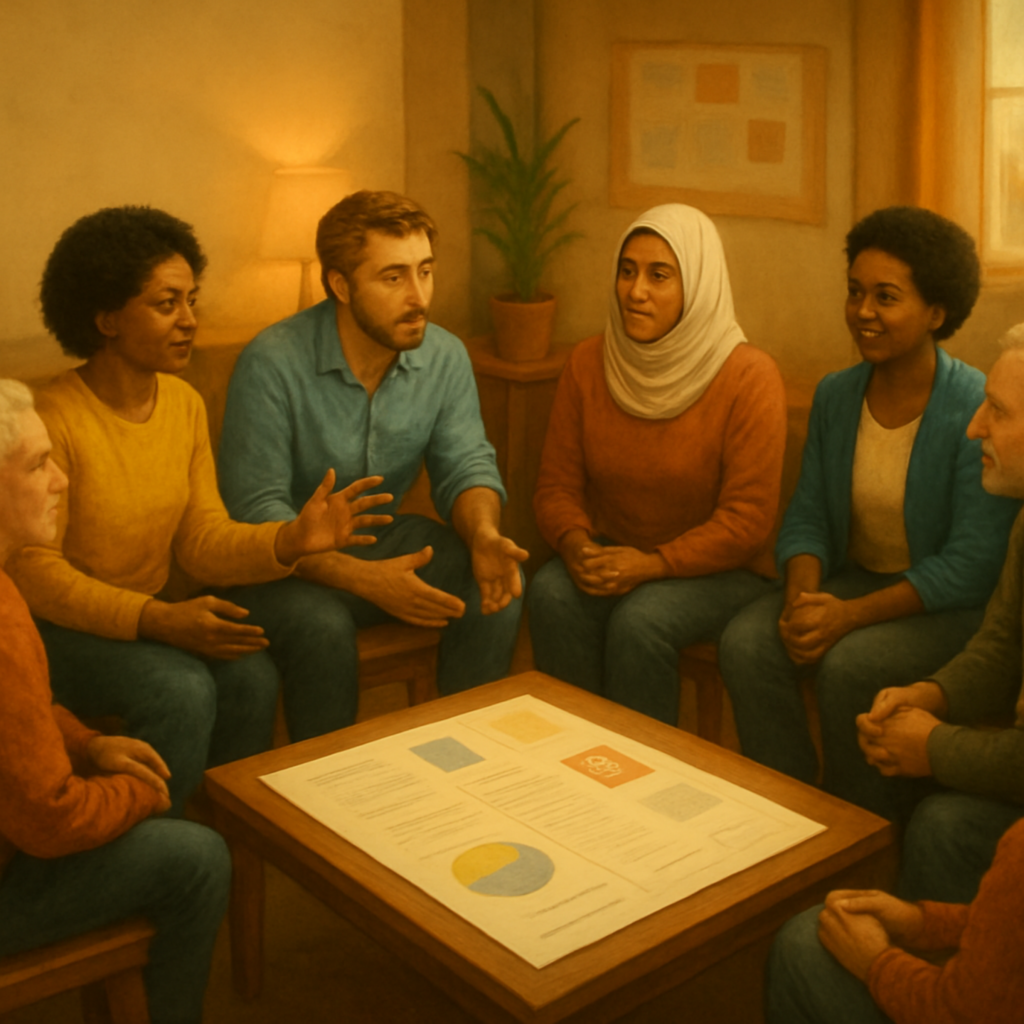
- co-designing strategy with directly impacted people
- Community members should be shaping demands, directing campaigns, and deciding when to escalate—not being consulted after plans are already made. When decisions reflect the lived experiences of the base, movements gain legitimacy, momentum, and staying power.
Co-Creating Collaborations That Build Power Instead of Brand Visibility
Partnerships must be grounded in shared struggle—not logos, press releases, or performative solidarity. Sustainable collaborations:
- Share resources openly—not just access to rooms or “awareness”
- Name power dynamics directly rather than avoiding conflict
- Set mutual accountability agreements
- Move toward long-term political goals—not short term output metrics
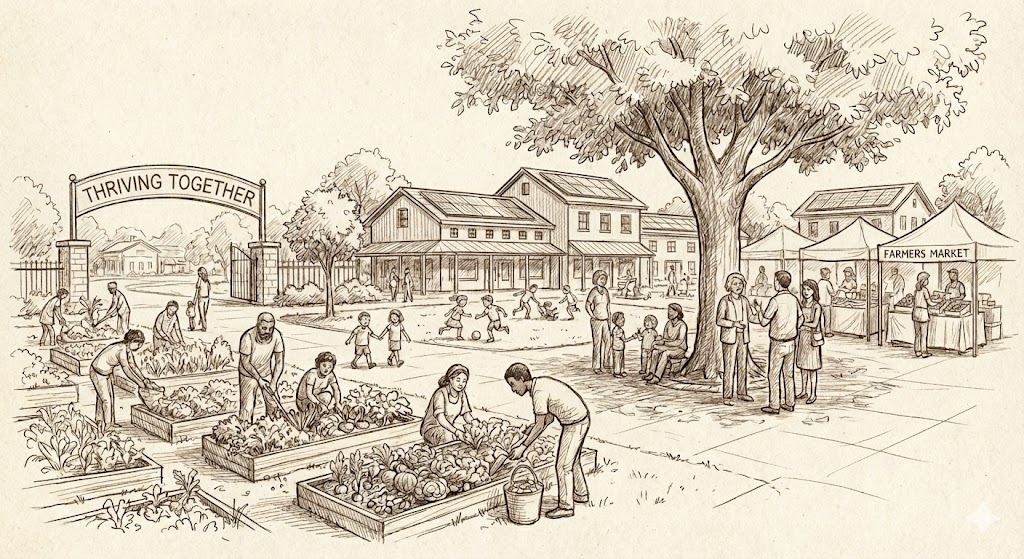
When nonprofits align behind grassroots demands, support coalition governance structures, and stay in relationships beyond a campaign cycle, movements have what they need to grow—not just in numbers, but in power.
Showing Up for the Long Haul
Becoming a real movement ally is not a branding strategy—it’s a shift in political posture. It means nonprofits leveraging what they have, releasing control, and recommitting to community-centered power building.
This work is messy. It requires internal organizational change, staff training, unlearning institutional culture, and pushing back on philanthropy when needed. But when nonprofits align with movements on the ground, we build more than programs—we build the conditions for liberation.
Partnerships grounded in shared stake, shared risk, and community leadership don’t just create outcomes—they create movements that win.
To become better movement and community allies, nonprofits must prioritize authentic collaboration and listen closely to the communities they serve. Building trust and meaningful relationships allows us to support efforts that align with our shared values and goals. By working alongside communities and other organizations, we amplify impact and create lasting change more effectively than we could alone.
Engaging with local voices and fostering partnerships means moving beyond just providing services—it means being a true partner who contributes resources, knowledge, and networks. When we embrace collaboration, we not only strengthen our missions but also build solidarity that fuels stronger, more resilient communities.
Leave a Reply